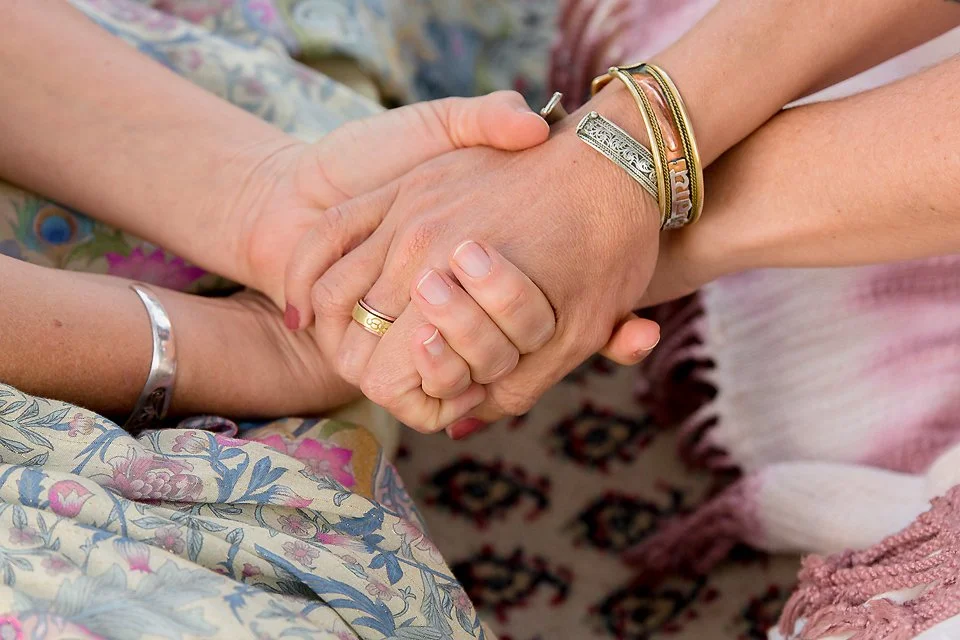
Traditional Chinese Medicine During Pregnancy

Traditional Chinese Medicine During Pregnancy

Pregnancy is one of the greatest transformations a woman will experience — a time of extraordinary physical growth, emotional change and deep personal evolution. In many ways, you are preparing to give birth not only to your baby, but to a new version of yourself.

Traditional Chinese Medicine honours this season by supporting the whole person — body, mind and spirit. Rather than simply treating symptoms as they arise, acupuncture works to restore harmony within the body, balancing the nourishing and active forces of Yin and Yang so that Qi and Blood can flow freely — creating the conditions for both mother and baby to thrive.

First trimester: supporting the foundation

The first trimester is often filled with excitement, uncertainty and significant hormonal change. Our focus is on supporting your body as it adapts, while helping to maintain balance. Acupuncture may help relieve common symptoms such as nausea, vomiting, fatigue and headaches, while supporting emotional wellbeing during a time when many women feel increased worry or anxiety. Most importantly, these sessions are an opportunity to slow down, regulate your nervous system and reconnect with yourself amidst all that is changing.

Second trimester: building energy and vitality

Often called the "golden trimester," many women begin to feel more energised and settled. This is a wonderful time to keep nourishing your Qi and Blood while supporting digestion, sleep, circulation and immune health. Around 28 weeks I often recommend a treatment to support the transition into the third trimester — another important hormonal shift as your body prepares for the final stretch.

Third trimester: preparing for physiological birth

From around 35 weeks, weekly acupuncture sessions become an important part of birth preparation. Our focus turns to creating the most favourable environment for labour — encouraging relaxation, supporting optimal pelvic balance, easing muscular tension and helping create space for your baby to move into an ideal position.

Acupuncture also helps regulate the nervous system, encouraging your body to move from stress into safety — the place where labour hormones work most effectively. If you reach your due date and your care provider recommends supporting the natural onset of labour, acupuncture can be used alongside your maternity care, with traditional point combinations that may assist the body's natural preparation for labour.

Supporting more than birth

One of the beautiful aspects of pregnancy acupuncture is that it isn't solely about labour — every treatment is an opportunity to care for the woman carrying the baby. As mothers, we often begin putting everyone else first long before our babies arrive. Pregnancy is an invitation to do the opposite: to slow down, receive support and nourish yourself deeply. When your nervous system feels calm, your body is better able to rest, digest, recover and adapt — and that balance benefits not only your wellbeing, but the environment in which your baby is growing.

A gentle, holistic approach

Research continues to explore acupuncture's role in supporting pregnancy, with evidence suggesting it may help manage common discomforts and contribute to maternal wellbeing. Many women choose acupuncture as part of their preparation for birth and their recovery in the postpartum period.

At Nadja's Family Acupuncture, I believe pregnancy is not simply something to get through — it is a sacred season that deserves care, reverence and support. My role is to walk alongside you, helping you feel informed, nurtured and empowered as you prepare for one of life's greatest rites of passage. Because when a mother feels supported, she enters birth with greater confidence — and that support has the potential to ripple through her family for years to come.

This article offers general information and is not a substitute for personalised medical advice. Please consult your healthcare provider about your individual circumstances.

The First 40 Days: Why Postpartum Care Matters More Than Ever

The First 40 Days: Why Postpartum Care Matters More Than Ever

In our modern world, enormous attention is placed on pregnancy and birth — baby showers, nurseries, hospital bags, birth plans. But once the baby arrives, the focus often shifts almost entirely to the newborn, and the mother is quietly expected to recover while caring for everyone else. Traditional cultures have always known this isn't how healing happens.

Across the world, cultures have honoured the postpartum period with rituals designed to protect, nourish and restore the mother. Each tradition looks a little different, yet they share one understanding: when we care for the mother, we care for the whole family.

The wisdom of the first 40 days

In Traditional Chinese Medicine, the postpartum period is known as Zuo Yue Zi — often translated as "The Sitting Month" or "The Golden Month." This sacred window, traditionally the first 30 to 40 days after birth, is seen as a once-in-a-lifetime opportunity for deep healing and replenishment.

Pregnancy, labour and birth ask enormous amounts of Qi, Blood and Jing (Essence). A mother has given so much of herself to grow, birth and nourish her baby that her own reserves need time to be restored. Rather than encouraging women to "bounce back," TCM invites us to move slowly, intentionally and with great care.

Rest is medicine

One of the greatest principles of the Sitting Month is rest — not because mothers are weak, but because healing requires energy. Just as we wouldn't expect someone to run a marathon after major surgery, we shouldn't expect a woman to immediately resume normal life after growing and birthing another human being.

Rest allows tissues to repair, hormones to settle, the nervous system to regulate and energy reserves to gradually rebuild. In many traditions, family and community step in to care for the household so the mother can focus on just two things: healing, and getting to know her baby.

Warmth nourishes healing

Another important principle is protecting the body from cold. Warm clothing, warm environments and warm, nourishing foods are believed to support circulation, digestion and the rebuilding of Qi and Blood. Meals are often simple and slow-cooked — congee, nourishing broths, soups and mineral-rich foods offer gentle nutrition while easing the digestive load on a body already working hard to recover and produce milk. Specific herbal formulas may also be prescribed by a qualified practitioner to support each woman's recovery.

The village was never meant to disappear

Perhaps the greatest lesson from traditional postpartum care is that mothers were never meant to do this alone. Grandmothers, sisters, neighbours and friends all played a role — meals were prepared, household tasks were shared, babies were held while mothers rested. Today, many women find themselves isolated, meeting impossible expectations on very little sleep. Rebuilding community may be one of the most powerful forms of postpartum medicine we have. Accepting help isn't a sign of weakness — it's an investment in your recovery.

The ripple effect of postpartum care

TCM teaches that how a woman is cared for after birth can influence her health for years to come. When Qi and Blood are replenished and healing is supported, women often feel stronger, more resilient and better equipped for the ongoing demands of motherhood. A well-supported recovery may even shape how she experiences later transitions, including menopause. Whether viewed through ancient wisdom or modern nervous-system science, one truth remains: a mother's wellbeing matters.

Reclaiming the Golden Month

At Nadja's Family Acupuncture, I believe the postpartum period deserves the same care and preparation as pregnancy and birth. The first 40 days are not about doing more — they are about receiving more. More rest. More nourishment. More warmth. More support.

Because when a mother is deeply cared for, she has the chance to heal — not only for herself, but for her baby, her family and the generations that follow. Perhaps it's time we stopped asking mothers how quickly they can return to normal, and instead asked how we can help them emerge from birth feeling replenished, respected and truly held.

This article offers general information and is not a substitute for personalised medical advice. Please consult your healthcare provider about your individual circumstances.